Your digestive system doesn't work in isolation. While it may seem like a straightforward process of breaking down food and absorbing nutrients, your digestive system is actually in constant communication with nearly every other system in your body. Understanding these intricate connections can help you appreciate why maintaining digestive health is so crucial to your overall well-being.
The Digestive System: More Than Just Processing Food
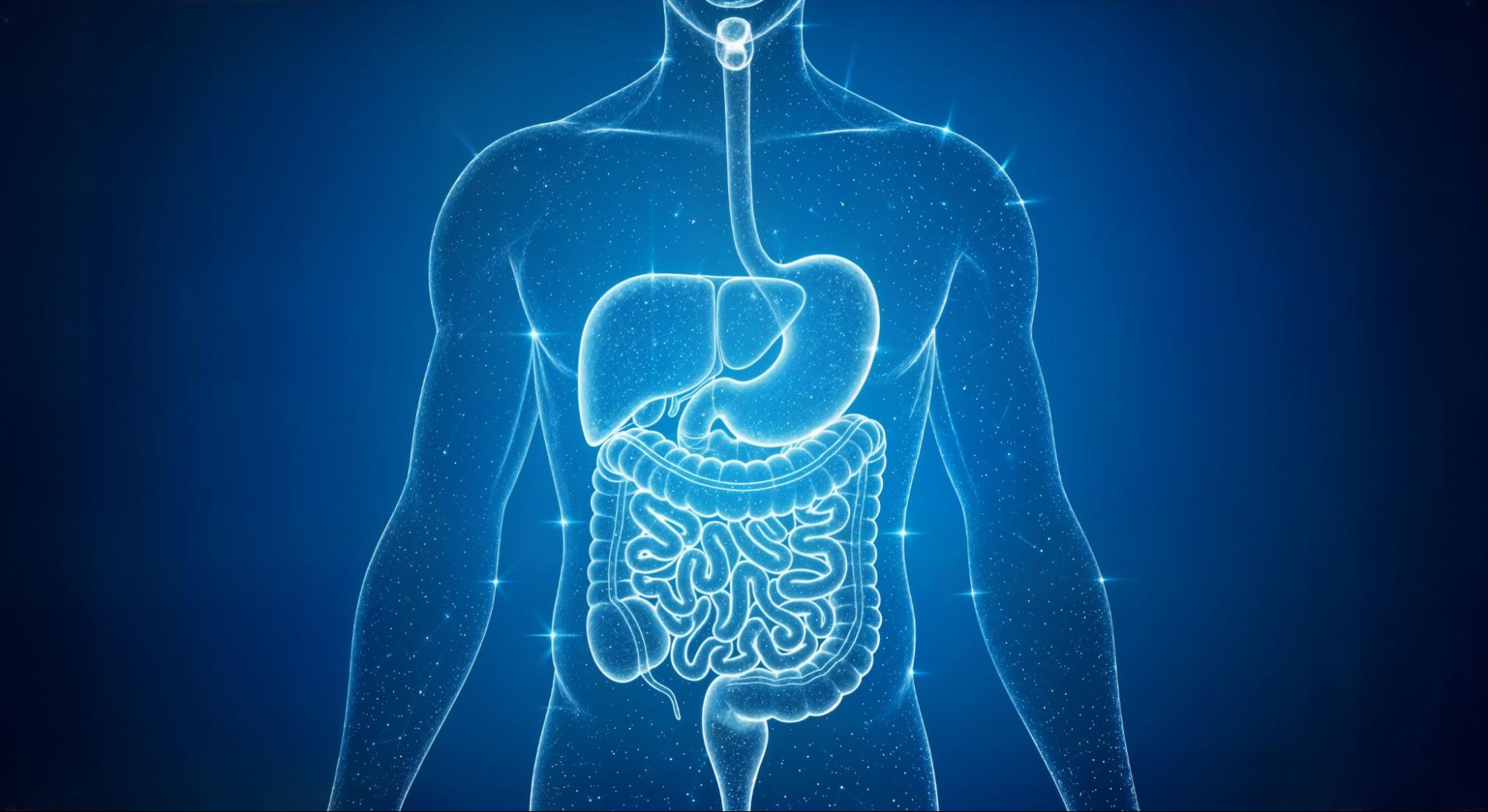
Before we explore the relationships between your digestive system and other body systems, it's helpful to understand what the digestive system actually does. This complex network of organs, including your mouth, esophagus, stomach, small intestine, large intestine, liver, pancreas, and gallbladder, works together to break down food, extract nutrients, and eliminate waste.
But the story doesn't end there. The nutrients, hormones, and signals produced during digestion travel throughout your body, influencing everything from your immune response to your mental health.
The Digestive and Circulatory Systems: Delivering Essential Nutrients
One of the most vital partnerships in your body exists between your digestive and circulatory systems. After your digestive system breaks down food into usable nutrients, these molecules need to reach cells throughout your entire body. That's where your circulatory system steps in.
The small intestine is lined with millions of tiny, finger-like projections called villi. These structures absorb nutrients and pass them into the bloodstream. Your blood then carries these nutrients, including glucose, amino acids, fatty acids, vitamins, and minerals, to every cell that needs them.
This relationship works both ways. Your circulatory system also delivers oxygen to your digestive organs, helping them perform their energy-intensive work of breaking down food. Additionally, blood vessels carry away waste products from digestive processes for elimination by other organs.
The liver serves as a crucial checkpoint in this partnership. All blood from the intestines passes through the liver before circulating to the rest of the body. This allows the liver to process nutrients, filter toxins, and regulate blood sugar levels, demonstrating how interconnected these systems truly are.
The Digestive and Nervous Systems: The Gut-Brain Connection
Perhaps one of the most fascinating relationships is between your digestive and nervous systems. You've probably experienced butterflies in your stomach when nervous or lost your appetite during times of stress. These aren't just metaphors; they're real physiological responses to the gut-brain connection.
Your digestive tract has its own nervous system, called the enteric nervous system, also known as the "second brain." This network of over 100 million nerve cells lines your gastrointestinal tract and can operate independently of your central nervous system.
The vagus nerve serves as the primary communication highway between your brain and gut. This connection is bidirectional, meaning your brain can influence digestive function, and your gut can send signals that affect your mood, stress levels, and even cognitive function.
This explains why chronic digestive issues often correlate with anxiety and depression, and why managing stress can significantly improve digestive symptoms. The gut-brain axis also influences your appetite, food preferences, and eating behaviors through complex hormonal and neural signaling.
The Digestive and Immune Systems: Your First Line of Defense
Your digestive system houses approximately 70% of your immune system, making it your body's primary defense against pathogens. The gut-associated lymphoid tissue (GALT) forms a crucial part of your immune defenses, constantly monitoring what passes through your digestive tract.
The lining of your intestines acts as a selective barrier, allowing beneficial nutrients to pass through while blocking harmful bacteria, viruses, and toxins. When this barrier function is compromised, a condition known as "leaky gut" can develop, potentially leading to inflammation and immune responses throughout the body.
Your gut microbiome, the trillions of beneficial bacteria living in your intestines, plays a crucial role in training and supporting your immune system. These microorganisms help regulate immune responses, produce vitamins, and compete with harmful pathogens for resources and space.
This partnership between your digestive and immune systems explains why probiotics and a balanced diet can influence your susceptibility to infections and autoimmune conditions. It also highlights why antibiotics, which disrupt the gut microbiome, can have wide-ranging effects beyond treating bacterial infections.
The Digestive and Endocrine Systems: Hormonal Harmony
Your digestive system is also an endocrine organ, producing numerous hormones that regulate not only digestion but also metabolism, hunger, and satiety. This close relationship with the endocrine system affects your energy levels, weight, and overall metabolic health.
Hormones like ghrelin (the hunger hormone) and leptin (the satiety hormone) are influenced by your digestive processes and help regulate your appetite and eating patterns. The pancreas, which is part of both the digestive and endocrine systems, produces insulin to regulate blood sugar levels in response to food intake.
Your gut also produces serotonin, often called the "happy hormone." In fact, about 95% of your body's serotonin is produced in the digestive tract. This neurotransmitter influences mood, sleep patterns, and even bone health, demonstrating yet another way your digestive system impacts your overall wellbeing.
The digestive system also affects thyroid function, sex hormones, and cortisol levels, either directly through hormone production or indirectly through nutrient absorption and microbiome balance.
The Digestive and Respiratory Systems: Shared Pathways
While the digestive and respiratory systems may seem unrelated, they share important anatomical connections and influence each other in several ways. Both systems begin at your mouth and throat, where the pathways for air and food briefly intersect before diverging.
The epiglottis, a small flap of tissue, prevents food from entering your airway during swallowing. When this coordination fails, aspiration can occur, potentially leading to respiratory infections.
Chronic digestive conditions like gastroesophageal reflux disease (GERD) can significantly impact respiratory health. Stomach acid that backs up into the esophagus can reach the airways, causing chronic cough, asthma-like symptoms, or even aspiration pneumonia.
Additionally, the microbiomes of both systems can influence each other. Research suggests that gut bacteria composition may affect respiratory health and vice versa, a phenomenon known as the gut-lung axis.
The Digestive and Urinary Systems: Working Together to Eliminate Waste
Your digestive and urinary systems collaborate to eliminate waste products from your body. While the digestive system removes solid waste and some liquid waste, the urinary system filters blood to remove water-soluble waste products and excess substances.
The kidneys and liver work together to process and eliminate toxins. The liver converts many harmful substances into forms that can be excreted either into bile (into the digestive tract) or into urine (through the kidneys).
Hydration status, managed in part by water absorption in the large intestine, directly affects kidney function and urinary health. Conversely, kidney function can influence digestive processes through electrolyte balance and fluid regulation.
The Digestive and Muscular/Skeletal Systems: Building Blocks and Movement
Your digestive system provides the proteins, minerals, and vitamins necessary to build and maintain muscle and bone tissue. Calcium, vitamin D, magnesium, and protein absorbed through digestion are essential for skeletal health and muscle function.
The muscular system also plays a crucial role in digestion itself. Smooth muscles in your digestive tract create peristaltic waves that move food through your system. Your diaphragm and abdominal muscles assist with processes like swallowing, vomiting, and defecation.
Poor nutrient absorption can lead to muscle weakness, bone density loss, and conditions such as osteoporosis, illustrating how digestive health directly affects your musculoskeletal system.
Supporting System-Wide Health Through Digestive Wellness
Understanding these interconnected relationships highlights why maintaining digestive health is so important for your overall well-being. When your digestive system functions optimally, it supports every other system in your body. Conversely, digestive dysfunction can have far-reaching effects throughout your entire body.
Simple steps like eating a balanced diet rich in fiber, staying hydrated, managing stress, getting regular exercise, and avoiding excessive alcohol and processed foods can support not just your digestive system but all the systems it works with.
Take Control of Your Digestive Health Today
Your digestive system is the foundation of your overall health, influencing everything from your immune function to your mental well-being. If you're experiencing digestive symptoms or simply want to optimize your digestive health, the expert team at Northeast Digestive is here to help.
Our board-certified gastroenterologists offer comprehensive digestive care, from routine screenings to advanced diagnostic procedures and treatment plans tailored to your unique needs. Don't let digestive issues compromise your quality of life or put your overall health at risk.
Schedule your appointment with Northeast Digestive today and take the first step toward better digestive health and improved well-being throughout your entire body.