If you feel full after a few bites, deal with nausea after meals, or live with bloating that never seems to settle, you may have wondered whether something more than indigestion is going on. This guide is for anyone asking that question, including people with diabetes and the family members who support them. It explains gastroparesis symptoms, causes, diagnosis, and treatments. At Northeast Digestive, our gastroenterologists diagnose and manage gastroparesis every day.
Gastroparesis at a Glance
What is gastroparesis?
Gastroparesis, or delayed gastric emptying, means the stomach muscles move food along too slowly. It occurs without any physical obstruction and can range from mild to disabling. Symptoms often follow meals.
What are the most common gastroparesis symptoms?
Common gastroparesis symptoms include nausea, vomiting, feeling full after a few bites, bloating, upper abdominal pain, and heartburn. People with diabetes may also notice unpredictable blood sugar levels. Symptoms often follow meals and can come and go.
What causes delayed gastric emptying?
Gastroparesis has several possible causes, and often none is found. The most common cause is diabetes, which can damage the vagus nerve that guides stomach movement. Stomach surgery, certain medications, viral illness, and neurologic conditions can also slow emptying.
How is gastroparesis diagnosed?
Gastroparesis diagnosis combines your symptoms and history, an upper endoscopy to rule out a blockage, and a gastric emptying study that measures how quickly food leaves your stomach. Blood tests may be used to check for related conditions.
Can gastroparesis be treated?
Yes. Gastroparesis treatment focuses on managing symptoms over time, since a cure is uncommon, and many people improve with diet changes, medication, or procedures. A gastroenterologist develops a plan based on your cause and severity.
What Is Gastroparesis?
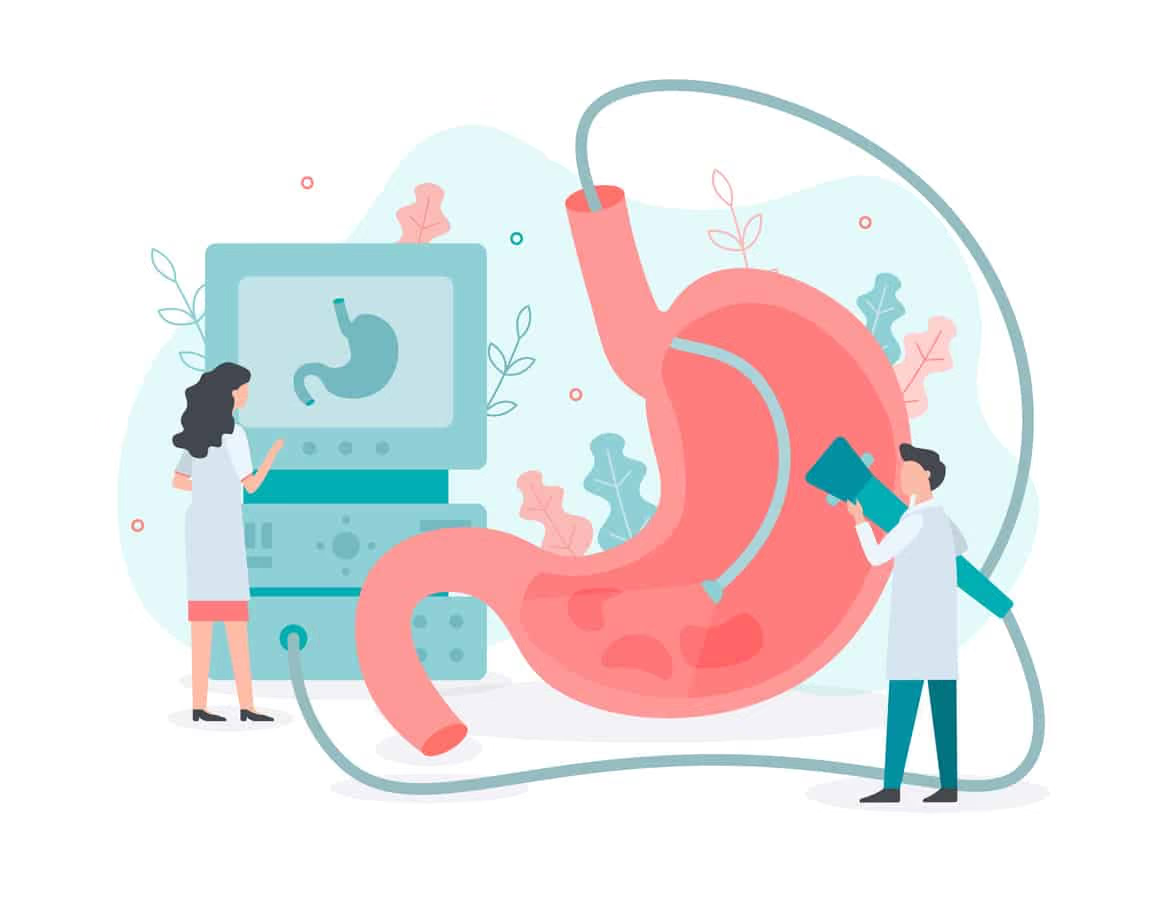
Gastroparesis is a digestive condition in which the stomach empties food into the small intestine more slowly than it should. It is a problem with stomach motility, meaning the way the stomach muscles move, and it occurs without a physical blockage.
Understanding how the stomach normally works makes the symptoms easier to understand. In a healthy digestive system, the stomach walls contract in steady waves that grind food and push it into the small intestine. The vagus nerve, which runs from the brain to the gut, helps coordinate those contractions.
With gastroparesis, the nerve signals or the stomach muscle weaken, so the contractions become slow or uncoordinated, and food sits in the stomach for too long. That delay is why the condition is also called delayed gastric emptying. The name means partial paralysis of the stomach, but in most people, the muscle still works, just more slowly.
Because a blockage can cause similar symptoms, doctors first rule one out with an upper endoscopy. Gastroparesis ranges from mild, with occasional queasiness after large meals, to disabling, with frequent vomiting and trouble getting enough nutrition.
Gastroparesis Symptoms
The main symptoms of gastroparesis are nausea, vomiting, feeling full after only a few bites, bloating, and upper abdominal pain, usually occurring during or after meals. Symptoms can range from mild to severe and often come and go, making the condition easy to overlook.
Common Symptoms
Symptoms vary from person to person, and you may have only some of the following.
- Nausea and vomiting, sometimes of undigested food, hours after a meal
- Early satiety, meaning you feel full after a few bites and struggle to finish a meal
- Feeling full after eating that lingers for hours
- Bloating and a swollen upper abdomen, sometimes with frequent belching
- Upper abdominal pain is one of the types of stomach pain worth discussing with a doctor
- Heartburn or acid reflux
- Unpredictable blood sugar in people with diabetes, because food reaches the intestine at an irregular pace
How Gastroparesis Differs From Ordinary Indigestion
Everyone has an upset stomach now and then. Gastroparesis symptoms stand out by how long they last and when they happen. Ordinary indigestion usually clears within a day or two, while gastroparesis symptoms persist for weeks to months. They tend to follow meals, and getting full quickly, even after small portions, is a hallmark.
A single heavy meal can leave anyone bloated, but if a normal dinner keeps you full into the next morning, or you feel nauseated most days after eating, that pattern deserves attention. Severity varies, and symptoms often flare and settle. If this sounds familiar, keep a simple symptom log to share with your doctor.
What Causes Gastroparesis?
Gastroparesis has many causes, and in many people, no cause is ever found, which doctors call idiopathic gastroparesis. The most common identifiable cause is diabetes. Stomach or esophageal surgery, certain medications, viral illness, and some neurologic or autoimmune conditions can also slow stomach emptying.
Diabetes
Diabetic gastroparesis develops when long-standing high blood sugar damages the vagus nerve and the small blood vessels that supply it. It can occur in both type 1 and type 2 diabetes, and it tends to appear after years of living with the condition. The effect runs both ways: delayed emptying makes blood sugar harder to predict, and high blood sugar can further slow emptying.
Surgery
The vagus nerve can be injured during operations on the stomach, esophagus, or upper abdomen, including some weight-loss and anti-reflux procedures. When the nerve is damaged, the stomach may lose some of its ability to contract in coordinated waves.
Medications That Slow Stomach Emptying
Several types of medication slow stomach emptying as a side effect, including opioid pain relievers, certain antidepressants, anticholinergic drugs, and GLP-1 receptor agonists used for diabetes and weight loss. Research on whether these drugs cause lasting gastroparesis is still developing. If you take one of these medications, talk with your prescriber before making any change, and do not stop a prescribed medication on your own.
Other Conditions
A viral illness can trigger gastroparesis that begins after an infection. Parkinson's disease, scleroderma, and other autoimmune or neurologic conditions can also affect the nerves and muscles of the stomach. Your doctor will review your full history to look for these connections.
When No Cause Is Found
Many people have idiopathic gastroparesis, meaning tests do not reveal a clear cause. Some cases begin after a stomach illness and improve over time. Even without a clear cause, treatment is still possible because care is built around your symptoms.
How Is Gastroparesis Diagnosed?
Gastroparesis diagnosis combines your symptoms and history, tests to rule out a blockage, and a gastric emptying test that measures how quickly food leaves your stomach. No single symptom confirms the condition, so doctors put these pieces together.
Medical History and Exam
Your doctor will ask about your symptoms, medications, past surgeries, and diabetes history, and will examine your abdomen. Blood tests check blood sugar, hydration, nutrition, and other conditions that can look like gastroparesis.
Ruling Out a Blockage
Doctors often order an upper endoscopy for gastroparesis to view the esophagus, stomach, and first part of the small intestine (the duodenum) with a thin, flexible camera. It can reveal ulcers, inflammation, or a blockage that may be behind your symptoms. Plan ahead for what to eat after an endoscopy.
Gastric Emptying Study
A gastric emptying study is the standard test for confirming gastroparesis. You eat a light meal, often eggs and toast, containing a tiny amount of radioactive tracer, and a scanner tracks how much food remains in your stomach over about four hours. More than 10 percent of the meal remaining at four hours is generally considered delayed emptying. The test is painless, and the radiation is very small. You will usually fast beforehand, and your provider may ask you to pause medications that slow emptying, such as opioids, so never stop a medication unless you are told to. If you have diabetes, your blood sugar is checked first, because high levels can slow emptying and skew results.
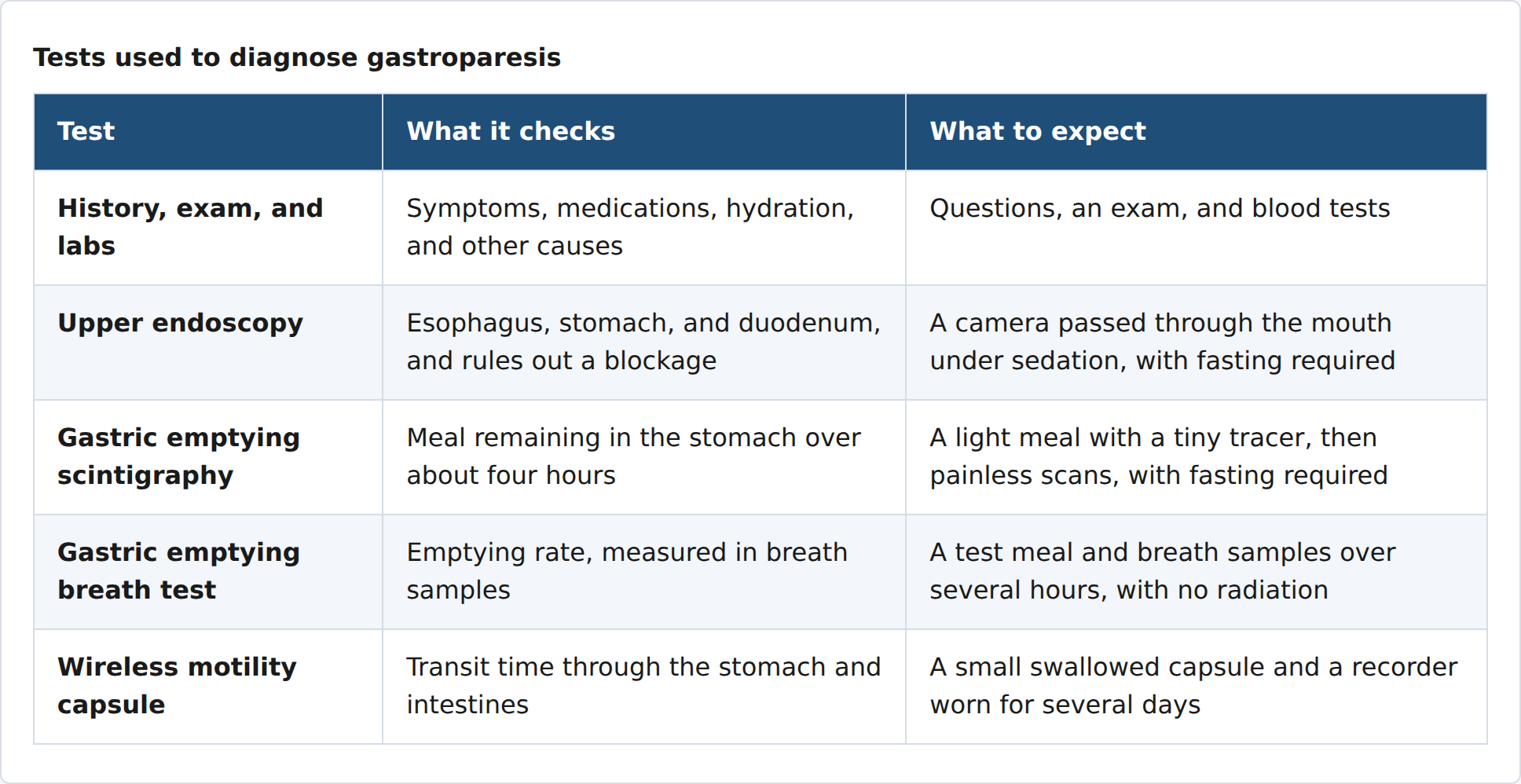
Comparing the Tests
Each test answers a different question, and most people need only some of them.
Gastroparesis Treatment Options
Delayed gastric emptying treatment depends on your symptoms, their severity, and the underlying cause, and it usually progresses from simple changes to more advanced options. Gastroparesis treatment has no single cure, but many people find a combination that eases symptoms and keeps them well nourished. The right plan often changes over time as symptoms flare or settle.
Diet and Eating Habits
Changing how and what you eat is the first step for nearly everyone. Smaller, more frequent meals that are lower in fat and fiber are easier on a slow stomach. The next section covers the gastroparesis diet in detail.
Blood Sugar Control
For people with diabetes, high blood sugar itself slows stomach emptying, so tighter glucose control can ease symptoms. Your care team may adjust insulin timing, such as taking it after meals, and recommend more frequent monitoring. Talk with your diabetes provider before changing any insulin routine.
Medications
Medications target two problems: nausea and slow stomach movement. Anti-nausea drugs such as ondansetron can reduce symptoms, and prokinetics help the stomach muscles contract. Metoclopramide is the only FDA-approved gastroparesis medication, and it carries a boxed warning for tardive dyskinesia, a movement disorder that can be permanent, so doctors use the lowest effective dose for a limited time. Other options, including erythromycin, domperidone (available through an FDA program), and mirtazapine for nausea, are used case by case. Benefits and side effects vary, so doctors reassess regularly. Never start or stop these medications on your own.
Procedures and Advanced Options
When symptoms stay severe despite diet and medication, doctors may consider procedures. Gastric electrical stimulation uses an implanted device that sends mild electrical pulses to the stomach to reduce chronic nausea and vomiting, and it is reserved for diabetic or idiopathic gastroparesis that medicines do not control. Gastric peroral endoscopic myotomy (G-POEM) uses an endoscope to loosen the muscle at the stomach's exit and is offered at specialized centers to selected patients. For people who cannot keep enough nutrition down, a feeding tube placed past the stomach can deliver nutrients directly to the small intestine, and intravenous nutrition is reserved for the most severe cases.
A gastroenterologist chooses the sequence based on your situation, and many people never need a procedure. Your gastroenterologist can also discuss referral to a specialized center when a procedure makes sense. If you are ready to talk through your options, meet our gastroenterologists.
Gastroparesis Diet: What to Eat and What to Limit
A gastroparesis diet centers on small, frequent meals that are lower in fat and fiber and softer in texture, because these are easier for a slow stomach to handle. Aim for four to six small meals a day instead of three large ones, and adjust based on what your body tolerates.
Gastroparesis Foods to Eat
Cooked and soft foods usually go down easiest. Common choices include well-cooked vegetables without skins, white rice, pasta, eggs, tender fish or poultry, bananas, applesauce, yogurt, and soup. During a flare, blended foods, smoothies, and broths can supply nutrition with less work for the stomach.
Foods to Avoid With Gastroparesis
Foods that slow emptying or resist breakdown tend to cause trouble. These include high-fat and fried foods, raw vegetables, tough or fibrous produce such as broccoli and celery, whole nuts and seeds, tough meats, and carbonated drinks. Alcohol can also slow emptying.
Eating Habits That Help
How you eat matters as much as what you eat. Chew thoroughly, eat slowly, and sit upright during meals. Smaller portions spread throughout the day also help prevent the stomach from becoming overfull. Stay upright and take a gentle walk afterward, since gravity helps the stomach empty. Sip fluids throughout the day to stay hydrated.
Every case differs, so a registered dietitian can tailor these guidelines to you. If you have diabetes, coordinate meal timing and portions with your glucose plan. For general habits that support digestion, see how diet and lifestyle affect digestive health.
When to See a Gastroenterologist for Stomach-Emptying Problems
See a gastroenterologist if nausea, fullness, or vomiting after meals lasts more than a few weeks, or sooner if it interferes with eating. If you live with chronic nausea after eating, or you are losing weight without trying, a gastroenterologist for nausea and stomach-emptying problems can find the cause and start treatment. Not sure whether your symptoms qualify? Our guide to when to see a gastroenterologist can help.
Seek urgent medical care if you notice:
- You cannot keep liquids down
- Signs of dehydration, such as dizziness, very dark urine, or a racing heart
- Vomiting blood or black stools
- Severe or worsening abdominal pain
If symptoms are severe or come on suddenly, go to the nearest emergency room.
Untreated gastroparesis can lead to dehydration, malnutrition, hardened food masses called bezoars that can block the stomach, and harder blood sugar control, which is why early evaluation matters. Bring a list of your symptoms and all medications and supplements you take to your visit. Our tips for talking to your GI provider about digestive symptoms can help you prepare.
Frequently Asked Questions
Does gastroparesis go away on its own?
Sometimes. Gastroparesis that follows a viral illness or a medication can improve over time, especially once the trigger is addressed. Gastroparesis linked to diabetes or nerve damage is usually long-term, but symptoms can often be controlled. Ask your doctor about the outlook for your situation instead of waiting it out.
Is gastroparesis the same as GERD or acid reflux?
No. Acid reflux, or GERD, happens when stomach acid flows back into the esophagus, while gastroparesis is the slow emptying of the stomach. The two can overlap because food that stays in the stomach longer can worsen reflux, and both can cause heartburn and nausea. Testing helps tell them apart.
Can GLP-1 medications cause gastroparesis?
GLP-1 medications such as semaglutide are known to slow stomach emptying, which can cause nausea, bloating, and early fullness. Whether they cause true, lasting gastroparesis remains under study. Tell your doctor about any GLP-1 medication before an endoscopy or sedation, and never stop it without talking to your prescriber.
Can stress or anxiety cause gastroparesis?
Research has not shown stress or anxiety to cause gastroparesis. They can worsen nausea, bloating, and stomach discomfort, because the gut and brain are closely linked. Symptoms that last for weeks deserve a medical evaluation. Learn more about how stress affects your stomach.
Is gastroparesis serious or dangerous?
Gastroparesis ranges from a manageable nuisance to a serious condition. Complications can include dehydration, malnutrition, weight loss, hardened food masses called bezoars, and unstable blood sugar in people with diabetes. Many of these risks can be reduced with early diagnosis and consistent treatment, which is why persistent symptoms warrant evaluation.
What does a gastric emptying study feel like?
Here is what to expect: the test is painless. You eat a light meal containing a tiny amount of radioactive tracer, and a scanner takes pictures at set times over about four hours. Most people feel nothing from the tracer. Bring a book, since much of the visit is waiting between scans.
Get Answers for Your Stomach Symptoms
Symptoms that shape how you eat, work, and live deserve a real evaluation. You do not have to keep planning your day around your stomach. If you have searched for a gastroparesis specialist near me, Northeast Digestive has cared for patients for over 50 years as an independent practice, with an on-site endoscopy center at every location. Our gastroenterologists can identify the cause of your symptoms and develop a treatment plan that fits your daily life. Whether you are looking for a gastroenterologist in Concord, NC, at our Vinehaven or Poplar Tent office, or closer to Salisbury, find your nearest office, request an appointment, or call (704) 783-1840.