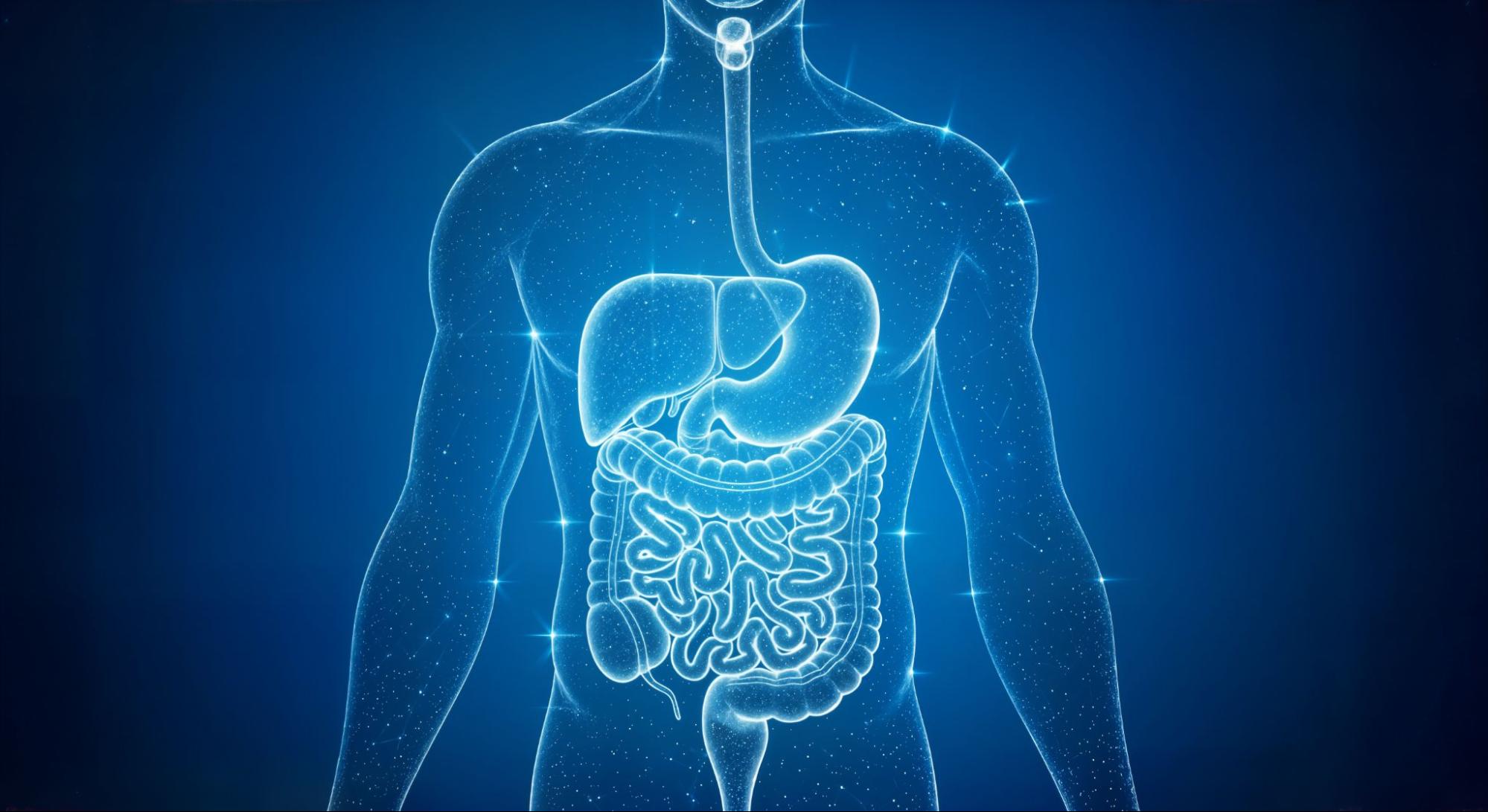
Your digestive system works hard every day, processing the food you eat and absorbing the nutrients your body needs to function. When something goes wrong, your body sends signals that shouldn't be ignored. While occasional digestive discomfort is normal, certain symptoms indicate it's time to see a specialist.
At Northeast Digestive, we understand that many people hesitate to seek medical care, often dismissing symptoms as temporary or "just stress." However, early intervention can prevent minor issues from becoming serious health problems. Knowing when to consult a gastroenterologist can make all the difference in your digestive health and overall well-being.
Let's explore ten important signs that indicate it's time to schedule an appointment with a GI specialist.
1. Persistent or Severe Abdominal Pain
Everyone experiences occasional stomachaches, but persistent or severe abdominal pain warrants medical attention. If you're experiencing pain that lasts more than a few days, wakes you up at night, or significantly impacts your daily activities, it's time to see a gastroenterologist.
The location, intensity, and nature of your pain provide important clues about what might be wrong. Sharp pain in the lower right abdomen could indicate appendicitis, while upper abdominal pain might suggest gallbladder issues, ulcers, or pancreatitis. Pain that radiates to your back or worsens after eating may point to specific digestive conditions that require professional evaluation.
Don't try to tough it out or self-diagnose based on internet research. A gastroenterologist has the expertise and diagnostic tools to identify the root cause of your pain and develop an appropriate treatment plan.
2. Chronic Heartburn or Acid Reflux
Occasional heartburn after a spicy meal or large dinner is common, but if you're experiencing heartburn two or more times per week, you may have gastroesophageal reflux disease (GERD). This chronic condition occurs when stomach acid frequently flows back into your esophagus, causing irritation and discomfort.
Left untreated, GERD can lead to serious complications, including esophagitis (inflammation of the esophagus), Barrett's esophagus (precancerous changes in esophageal tissue), esophageal strictures (narrowing of the esophagus), and even an increased risk of esophageal cancer.
If you find yourself regularly reaching for antacids, waking up with a sour taste in your mouth, or experiencing difficulty swallowing, these are clear signs that you need professional evaluation. A gastroenterologist can assess the severity of your condition and recommend treatments beyond over-the-counter medications.
3. Changes in Bowel Habits
Your bowel movements may not be the most pleasant topic of conversation, but they're an important indicator of digestive health. Significant changes in frequency, consistency, or appearance warrant attention from a specialist.
Persistent diarrhea lasting more than a few days can lead to dehydration and may indicate conditions like inflammatory bowel disease, celiac disease, or infections. Chronic constipation, especially when accompanied by pain or bleeding, could signal colorectal issues that need investigation.
Pay attention to changes in stool color as well. Black, tarry stools may indicate bleeding in the upper digestive tract, while bright red blood could suggest hemorrhoids or lower GI bleeding. Pale or clay-colored stools may indicate liver or gallbladder problems. Any of these changes should prompt a visit to a gastroenterologist.
4. Unexplained Weight Loss
Losing weight without trying might sound like a dream come true, but unexplained weight loss is actually a red flag that shouldn't be ignored. If you've lost more than 5 percent of your body weight over six months without changes to your diet or exercise routine, it's time to see a doctor.
Unintentional weight loss can be a symptom of various serious conditions, including inflammatory bowel disease, celiac disease, chronic pancreatitis, or even gastrointestinal cancers. It might also indicate malabsorption issues where your body isn't properly absorbing nutrients from food.
A gastroenterologist can conduct comprehensive testing to determine why you're losing weight and address the underlying cause before it leads to more serious health complications.
5. Difficulty Swallowing
Dysphagia, or difficulty swallowing, is never normal and always warrants medical evaluation. This symptom can manifest as food getting stuck in your throat or chest, pain when swallowing, or the need to swallow multiple times to get food down.
Swallowing difficulties can result from GERD-related damage, esophageal strictures, achalasia (a condition affecting the esophageal muscles), or, in some cases, esophageal cancer. The sensation of a lump in your throat or frequent choking while eating is also a concerning symptom that requires prompt evaluation.
Don't adapt your diet to accommodate swallowing difficulties by eating only soft foods or liquids. Instead, see a gastroenterologist who can determine the cause and provide appropriate treatment to restore normal swallowing function.
6. Rectal Bleeding
Blood in your stool or on toilet paper is always concerning, even if you suspect it's "just hemorrhoids." While hemorrhoids are indeed a common and usually benign cause of rectal bleeding, blood can also indicate more serious conditions, including anal fissures, inflammatory bowel disease, polyps, or colorectal cancer.
The color and amount of blood provide important diagnostic information. Bright red blood typically indicates bleeding from the lower digestive tract, while dark, tarry stools suggest bleeding higher up in the digestive system. Any rectal bleeding, regardless of the amount or frequency, should be evaluated by a gastroenterologist.
Early detection of colorectal issues significantly improves treatment outcomes, so don't delay seeking medical attention due to embarrassment or fear. Gastroenterologists see these symptoms every day and are focused on your health, not your discomfort.
7. Persistent Bloating and Gas
While occasional bloating after a large meal is normal, persistent bloating that affects your quality of life deserves medical attention. If you feel uncomfortably full or swollen most days, struggle to button your pants by afternoon, or experience excessive gas that interferes with daily activities, these symptoms may indicate an underlying digestive disorder.
Conditions like irritable bowel syndrome (IBS), small intestinal bacterial overgrowth (SIBO), celiac disease, or lactose intolerance can all cause chronic bloating. In some cases, persistent bloating accompanied by other symptoms could indicate more serious conditions, including ovarian cancer in women or gastrointestinal obstructions.
A gastroenterologist can help identify food intolerances, diagnose digestive disorders, and develop a treatment plan to relieve uncomfortable bloating and gas.
8. Chronic Nausea or Vomiting
Occasional nausea from illness, motion sickness, or pregnancy is expected, but chronic or recurring nausea and vomiting suggest a digestive problem that needs professional evaluation. If you frequently feel nauseated, especially in the morning or after eating, or if you vomit regularly without an obvious cause, it's time to see a specialist.
Persistent nausea can stem from gastroparesis (delayed stomach emptying), peptic ulcers, gallbladder disease, or chronic pancreatitis. Cyclic vomiting syndrome, though rare, causes recurrent episodes of severe vomiting that can last hours or days.
Chronic nausea significantly impacts nutrition, hydration, and quality of life. A gastroenterologist can identify the underlying cause and provide treatments to help you feel better and maintain proper nutrition.
9. Family History of Digestive Cancers
Your family medical history plays a crucial role in your digestive health risk profile. If you have close relatives (parents, siblings, or children) who've been diagnosed with colorectal cancer, stomach cancer, pancreatic cancer, or other GI malignancies, you may need earlier or more frequent screening.
Hereditary factors contribute to approximately 5 to 10 percent of colorectal cancers. If your family has a history of digestive cancers or conditions like familial adenomatous polyposis (FAP) or Lynch syndrome, you need proactive monitoring and potentially genetic testing.
A gastroenterologist can assess your family history, calculate your risk, and develop an appropriate screening schedule. Early detection through colonoscopy and other screening methods can catch precancerous polyps before they become cancer, potentially saving your life.
10. Age-Appropriate Screening Time
Even if you're not experiencing symptoms, reaching certain age milestones means it's time to establish care with a gastroenterologist for preventive screening. Current guidelines recommend that adults at average risk begin colorectal cancer screening at age 45, though those with risk factors may need to start earlier.
Colorectal cancer is highly preventable through screening because gastroenterologists can identify and remove precancerous polyps during a colonoscopy before they develop into cancer. Despite this, colorectal cancer remains the third leading cause of cancer deaths in the United States, largely because many people delay or skip screening.
Don't wait for symptoms to appear. Colorectal cancer often develops without warning signs in its early, most treatable stages. Scheduling your screening colonoscopy at the appropriate age is one of the most important preventive health measures you can take.
Additional Symptoms That Warrant Attention
Beyond these ten major signs, other symptoms that should prompt a visit to a gastroenterologist include persistent hiccups lasting more than 48 hours, chronic diarrhea lasting more than four weeks, yellowing of the skin or eyes (jaundice), severe or persistent constipation not relieved by over-the-counter treatments, and persistent fatigue that might indicate anemia from internal bleeding.
Trust your instincts. If something feels wrong or you notice significant changes in your digestive health that concern you, it's better to get checked out and receive reassurance than to ignore potentially serious symptoms.
What to Expect at Your First Appointment
If you're nervous about seeing a gastroenterologist, understanding what to expect can help ease your anxiety. Your first appointment will typically involve a detailed discussion of your symptoms, medical history, family history, current medications, and lifestyle factors.
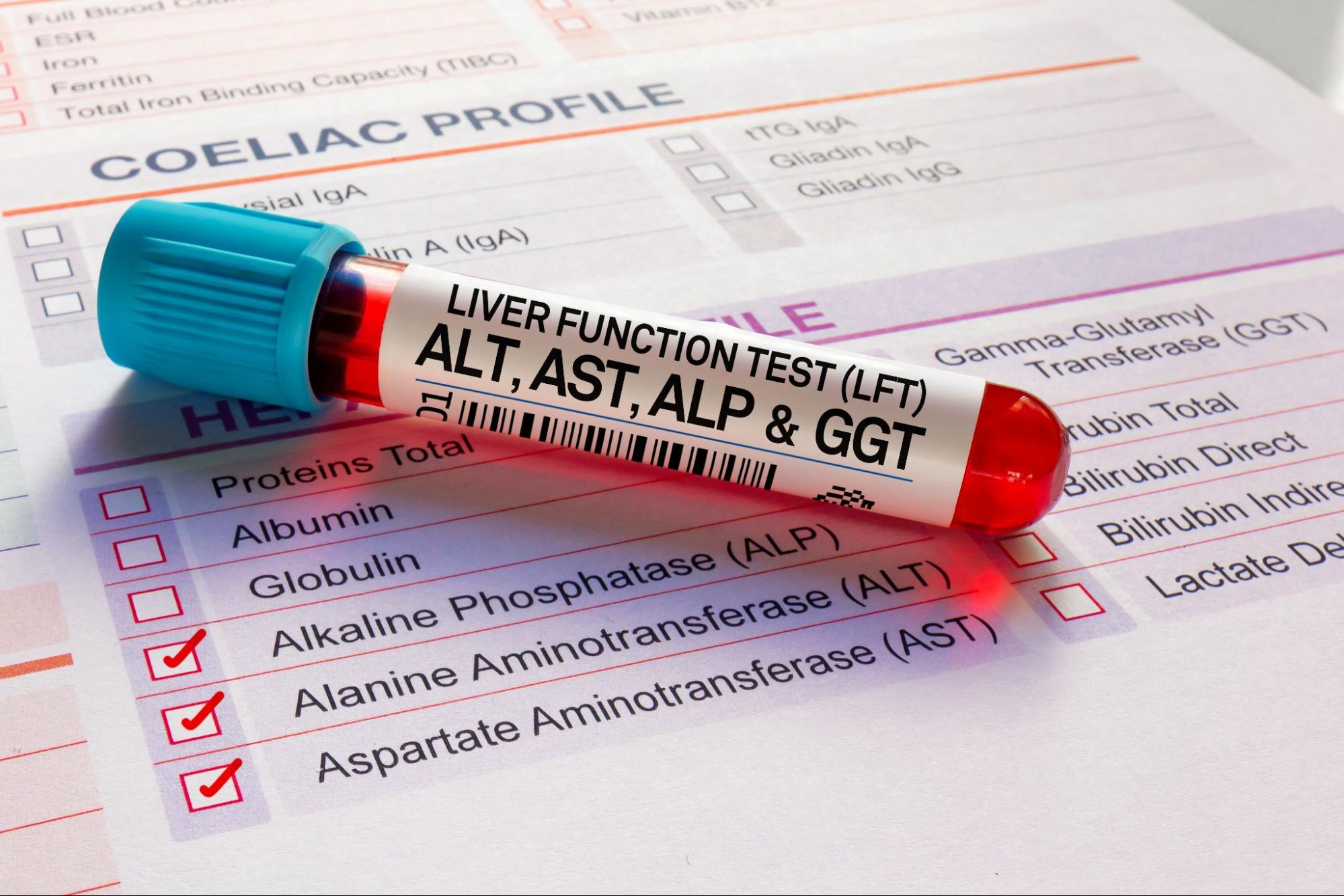
Be prepared to discuss potentially embarrassing topics openly and honestly. Gastroenterologists are medical professionals who've heard it all before and need complete information to provide the best care. Based on your symptoms and medical history, your doctor may recommend diagnostic tests such as blood work, stool tests, imaging studies, endoscopy, or colonoscopy.
These tests help your gastroenterologist identify the root cause of your symptoms and develop an effective treatment plan tailored to your specific needs.
Take Control of Your Digestive Health
Your digestive health impacts every aspect of your life, from your energy levels and nutrition to your overall well-being and quality of life. Recognizing when to seek specialized care and taking action promptly can prevent minor issues from becoming major health problems.
At Northeast Digestive, our experienced team of board-certified gastroenterologists is dedicated to providing comprehensive, compassionate care for all your digestive health needs. Whether you're experiencing concerning symptoms, need age-appropriate screening, or have a family history that requires proactive monitoring, we're here to help.
Don't ignore the warning signs your body is sending you. Schedule an appointment with Northeast Digestive today and take the first step toward optimal digestive health. Our state-of-the-art facilities and patient-centered approach ensure you receive the highest quality care in a comfortable, supportive environment. Your digestive health matters, and we're here to help you feel your best.